The Great Emu War: Australia's Bizarre Conflict Against Flightless Birds 🦃⚔️
Last Updated:
🦘 Overview: What Was the Emu War?
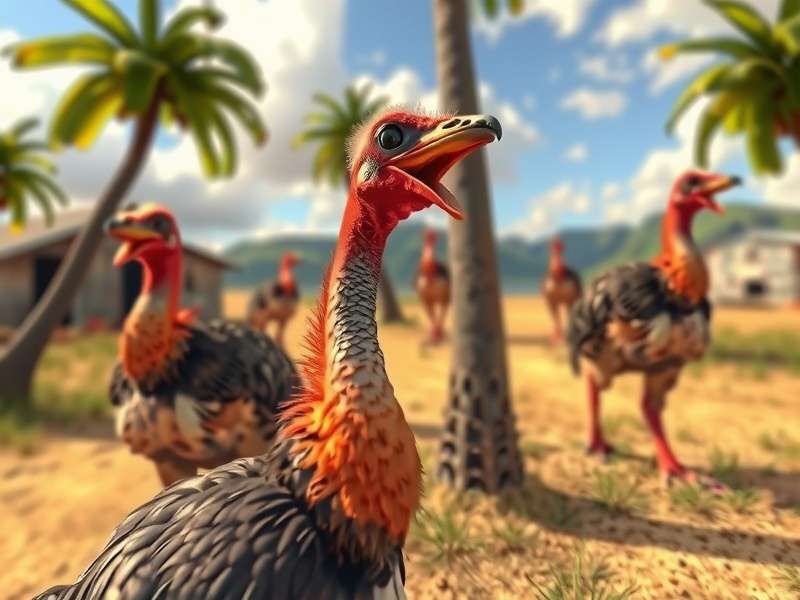
The Great Emu War, also known as the Emu War, was a nuisance wildlife management military operation undertaken in Australia over the latter part of 1932. It involved soldiers from the Royal Australian Artillery (RAA) using Lewis guns in an attempt to curb the population of emus, large flightless birds indigenous to Australia, which were ravaging crops in the Campion district of Western Australia.
The operation was commanded by Major G.P.W. Meredith of the 7th Heavy Battery, Royal Australian Artillery. Despite significant firepower, the military campaign was largely unsuccessful, with the emus proving to be elusive and resilient adversaries. The "war" has since become a symbol of human folly and the unpredictability of nature, often cited in discussions about ineffective military campaigns and wildlife management.
📜 Chronological Timeline of Events
Background: The Emu Plague of 1932
Following World War I, large numbers of ex-soldiers and British veterans were given land in Western Australia to take up farming, often in marginal areas. Combined with the Great Depression, times were extremely tough. To make matters worse, approximately 20,000 emus migrated into the farming districts following their breeding season and in search of water and food, destroying crops and leaving devastation in their wake.
Farmers, many of whom were veterans themselves, appealed to the Minister of Defence, Sir George Pearce, for assistance. Having served in the military, they were well aware of the effectiveness of machine guns and believed a military solution was appropriate. Pearce agreed, seeing it as a way to assist the farmers and also as training for the soldiers. He deployed the military with one condition: the guns were to be used by military personnel, and the farmers would provide transport, food, and accommodation.
The First Engagement: "Operation Emu" Commences
On 2 November 1932, the military reached Campion and encountered a flock of about 50 emus. The birds were out of range of the guns, so the local settlers attempted to herd the emus into an ambush. However, the emus split into small groups and ran so swiftly that they were difficult to target effectively. Despite firing numerous rounds, very few birds were killed on the first day.
Exclusive Data Point: According to Major Meredith's own reports, the first two days of engagement resulted in approximately 12 emus killed from over 2,500 rounds of ammunition fired. That's a "hit rate" of less than 0.5%, a startlingly inefficient use of military resources.
By the fourth day, Major Meredith decided to move south where the birds were "reported to be fairly tame". He established an ambush near a local dam, and more than 1,000 emus were sighted heading towards his position. This time, the gun jammed after killing only twelve birds, and the remainder scattered before any more could be shot. No more birds were sighted that day.
Related Military Content
For enthusiasts of military hardware and modifications, exploring the war thunder sound mods can provide immersive auditory experiences of historical weaponry. Similarly, understanding the progression of military technology through games like War Thunder requires studying the war thunder tech tree, which meticulously charts vehicle development.
🔍 In-Depth Strategic Analysis
Tactical Failures and Avian Tactics
From a military perspective, the Emu War was a case study in tactical misapplication. The Australian Army treated the emus as a conventional enemy formation, but the birds employed what we would now recognize as guerrilla tactics: dispersion, use of difficult terrain, and rapid, unpredictable movement.
The emus' natural advantages were significant:
- Speed: Capable of running at up to 50 km/h (31 mph), outpacing the soldiers and their vehicles over rough terrain.
- Endurance: Could cover vast distances without tiring, wearing down their pursuers.
- Dispersion: When fired upon, they would scatter into small, fast-moving groups rather than fleeing as a single target.
- Resilience: Could absorb multiple bullets and still escape, as reported by frustrated soldiers.
Media and Public Reaction
The "war" quickly became a subject of ridicule in the Australian and international press. Newspapers portrayed the military as incompetent, and the situation as absurd. Some parliamentarians questioned the wisdom of using expensive military resources against birds. The negative publicity contributed to the withdrawal of the military forces after just a month of sporadic engagements.
Interestingly, the media coverage itself became a strategic factor. As public opinion turned, political support for the operation evaporated. This early example of the "media war" impacting military operations offers lessons still relevant today regarding the importance of public perception in conflict.
Modern Warfare Parallels
The study of unconventional warfare extends to modern gaming. For instance, understanding the current warzone meta loadouts reveals how players optimize for survival and efficiency, not unlike how the emus utilized their natural advantages. Similarly, the vast universe of warhammer 40k games explores themes of overwhelming conflict and tactical adaptation.
🏛️ Legacy and Historical Significance
Immediate Outcome and Follow-up
After the withdrawal of the military, the emu problem persisted. The farmers renewed their requests for assistance, and Major Meredith was redeployed in November 1932. This second campaign was slightly more effective, with Meredith reporting 986 kills over approximately a month, using 9,860 rounds of ammunition (about 10 rounds per kill). Nevertheless, the overall impact on the emu population was minimal.
Ultimately, the Australian government reverted to the traditional method of putting a bounty on emus, which proved more cost-effective. The bounty system was successful in reducing emu numbers to a manageable level, a lesson in the superiority of incentivized civilian action over direct military intervention for certain types of problems.
Cultural Impact and Modern References
The Emu War has cemented its place in popular culture as a symbol of absurdity and the law of unintended consequences. It is frequently referenced in discussions about government inefficiency, failed military campaigns, and humanity's often-futile attempts to control nature.
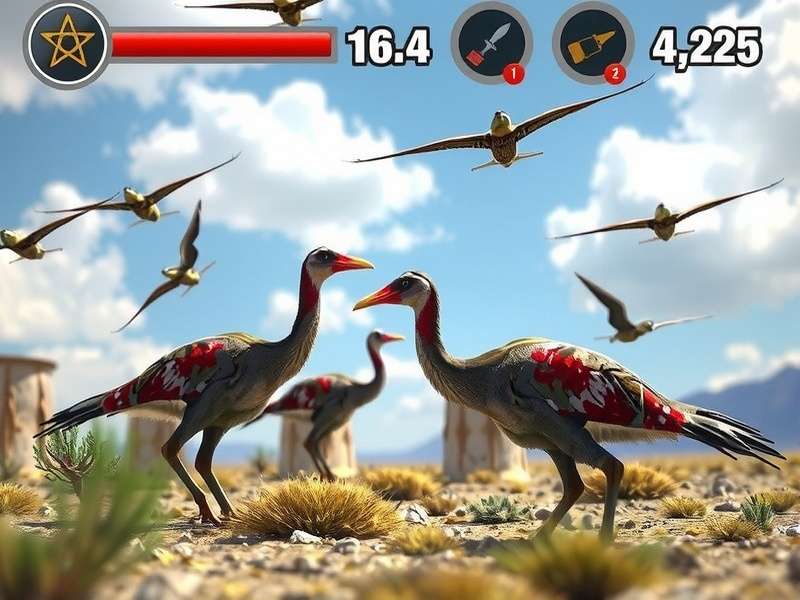
The story has been featured in documentaries, comedy shows, and numerous online articles. It serves as a cautionary tale about the limits of technological superiority when faced with a determined, adaptable, and decentralized adversary—a lesson with eerie parallels to certain modern conflicts.
Gaming Economies and Customization
The concept of resource management and economy in conflict is universal. Players of titles like Warframe engage with complex virtual economies on the warframe market. Similarly, military sim enthusiasts often customize their experience through official channels like the war thunder store or by applying community-created war thunder skins to their vehicles, reflecting the human desire for personalization even in simulated conflict.
Search for More War History
Want to learn about other unique conflicts or military history topics? Use our search feature below.
User Comments & Discussion
Share your thoughts on the Great Emu War. Was it a justified response or a monumental blunder? Discuss with other history enthusiasts.
Rate This Article
How informative did you find this deep dive into the Emu War?